

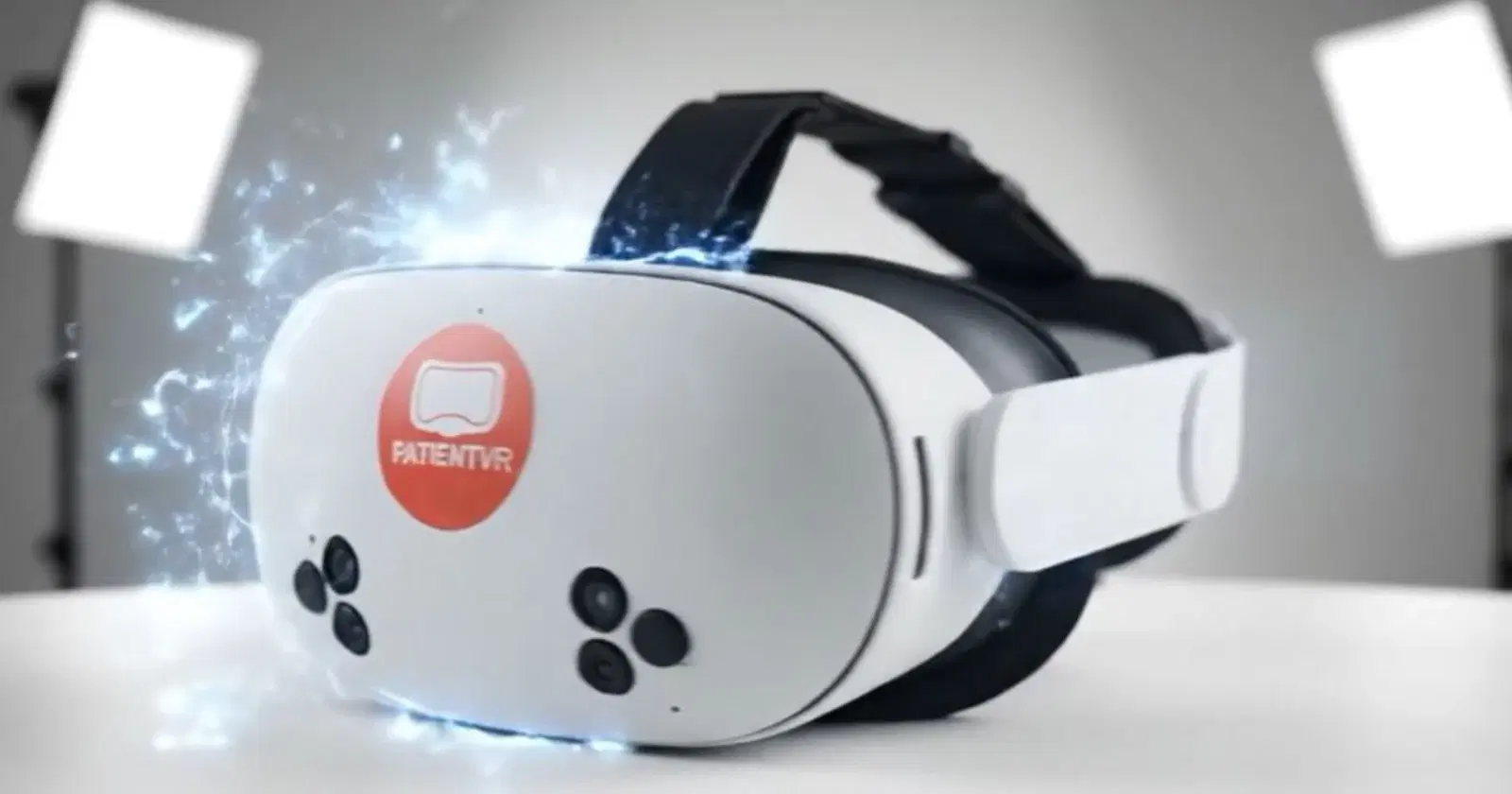
The Role of VR in Patient-Centered Care Models
Healthcare is changing quickly, and patient experience has never mattered more. Virtual reality (VR) is emerging as a powerful tool, helping clinicians deliver care that is more personalised, engaging, and effective. From easing anxiety before procedures to supporting rehabilitation, VR is reshaping the way patients experience healthcare.
In this guide, we explore the role of VR in patient-centered care models, including its practical applications, key benefits, and what the future may hold.
What Is Patient-Centered Care?
Patient-centered care places the patient at the centre of healthcare. It focuses on understanding individual needs, preferences, and values while promoting shared decision-making and empathy throughout the care journey.
Unlike traditional models that focus mainly on diagnosis and treatment, patient-centered care also prioritises emotional support, education, and comfort — areas where VR can make a meaningful difference.
How VR Fits Into Patient-Centered Care
VR provides immersive experiences that support patients physically, mentally, and emotionally. For example, it can:
- Reduce anxiety and stress before procedures
- Help manage pain without relying solely on medication
- Support rehabilitation exercises
- Educate patients about conditions and treatment options
To see how the technology works and how it can fit into your care model, read How Does VR Work? .
Clinical Applications of VR
Pain Management
VR helps distract patients from pain by immersing them in calming, interactive environments. This approach can reduce reliance on pain medication during procedures and in chronic pain management.
Anxiety and Stress Reduction
For patients who feel nervous about surgery or other treatments, VR offers relaxation through guided environments, breathing exercises, and mindfulness techniques.
Rehabilitation and Physical Therapy
VR can make rehabilitation more engaging by turning exercises into interactive tasks that track progress and encourage patients to stay motivated.
Cognitive and Emotional Support
VR is also useful in mental health care, neurological rehabilitation, and memory training. By offering immersive cognitive exercises, it helps patients work on memory, attention, and emotional resilience in a safe environment.
Patient Education and Empowerment
Understanding complex medical information can be difficult. VR makes it easier by visualising anatomy, treatment pathways, and post-care instructions in a 3D immersive experience.
When patients understand their care better, they are more likely to make informed decisions and follow treatment plans.
Operational Benefits for Healthcare Providers
Workflow Efficiency
VR can streamline care delivery by reducing time spent on repetitive patient education and increasing engagement during therapy sessions.
Data-Driven Insights
Patient interactions with VR can generate valuable analytics, helping clinicians track progress and tailor care plans more effectively.
Scalability Across Care Settings
VR can be implemented in hospitals, outpatient clinics, and remote care settings, making it a flexible tool for modern healthcare.
Cost-Effectiveness of VR
Although VR technology requires an upfront investment, the long-term savings can be substantial:
- Reduced medication use
- Shorter hospital stays
- Fewer follow-up visits
- Improved recovery outcomes
For information on plans that suit your organisation, explore Pricing .
Overcoming Implementation Challenges
Introducing VR in healthcare comes with a few important considerations:
- Technical readiness: Staff training, secure infrastructure, and VR hardware setup
- Clinical integration: Aligning VR with care workflows and regulations
- Patient accessibility: Addressing comfort with technology, sensory needs, and digital literacy
A structured rollout and ongoing evaluation are key to success.
The Future of VR in Patient-Centered Care
Looking ahead, VR is likely to expand its role through:
- AI-driven personalisation of experiences
- Telehealth and remote VR therapy
- Seamless integration with electronic medical records
- More immersive patient education experiences
VR is no longer just a novelty — it is becoming an essential part of patient-centered care.
How PatientVR Can Help
PatientVR offers immersive, clinically guided VR solutions designed to improve engagement, reduce anxiety, and support rehabilitation.
Whether you’re exploring VR for patient education, pain management, or therapy adherence, our team can help design a program that fits your care model.
If you’re ready to bring VR into your patient care strategy, contact our team today to discuss your options.
Frequently Asked Questions
What conditions can VR help with in healthcare?
VR can support pain management, anxiety reduction, rehabilitation, cognitive training, stress relief, and patient education.
Is VR safe for patients?
Yes. When implemented with clinical guidance, VR is safe and well tolerated by most patients.
Can VR replace traditional therapies?
No. VR complements conventional treatment and can enhance outcomes when integrated into a comprehensive care plan.
How does VR improve patient education?
By providing immersive 3D visualisations, VR helps patients understand their conditions and treatment pathways more effectively than traditional methods.
More reading
 uncategorized
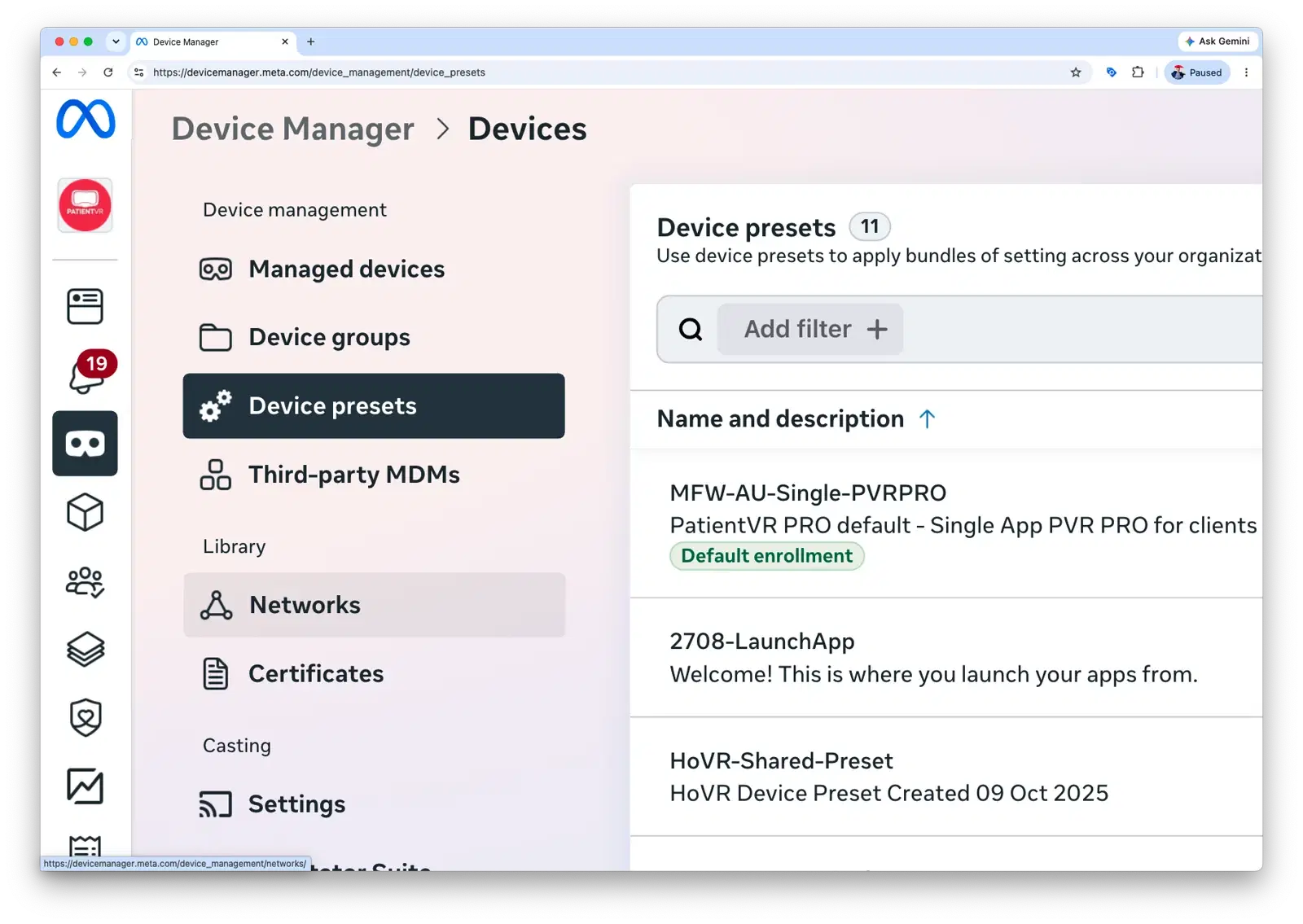
PatientVR PRO Uses Meta for Work Managed Devices
Virtual Reality (VR) is rapidly moving beyond entertainment and gaming into meaningful healthcare applications, supporting patient wellbeing, relaxation, pain management, rehabilitation, and improved care experiences.
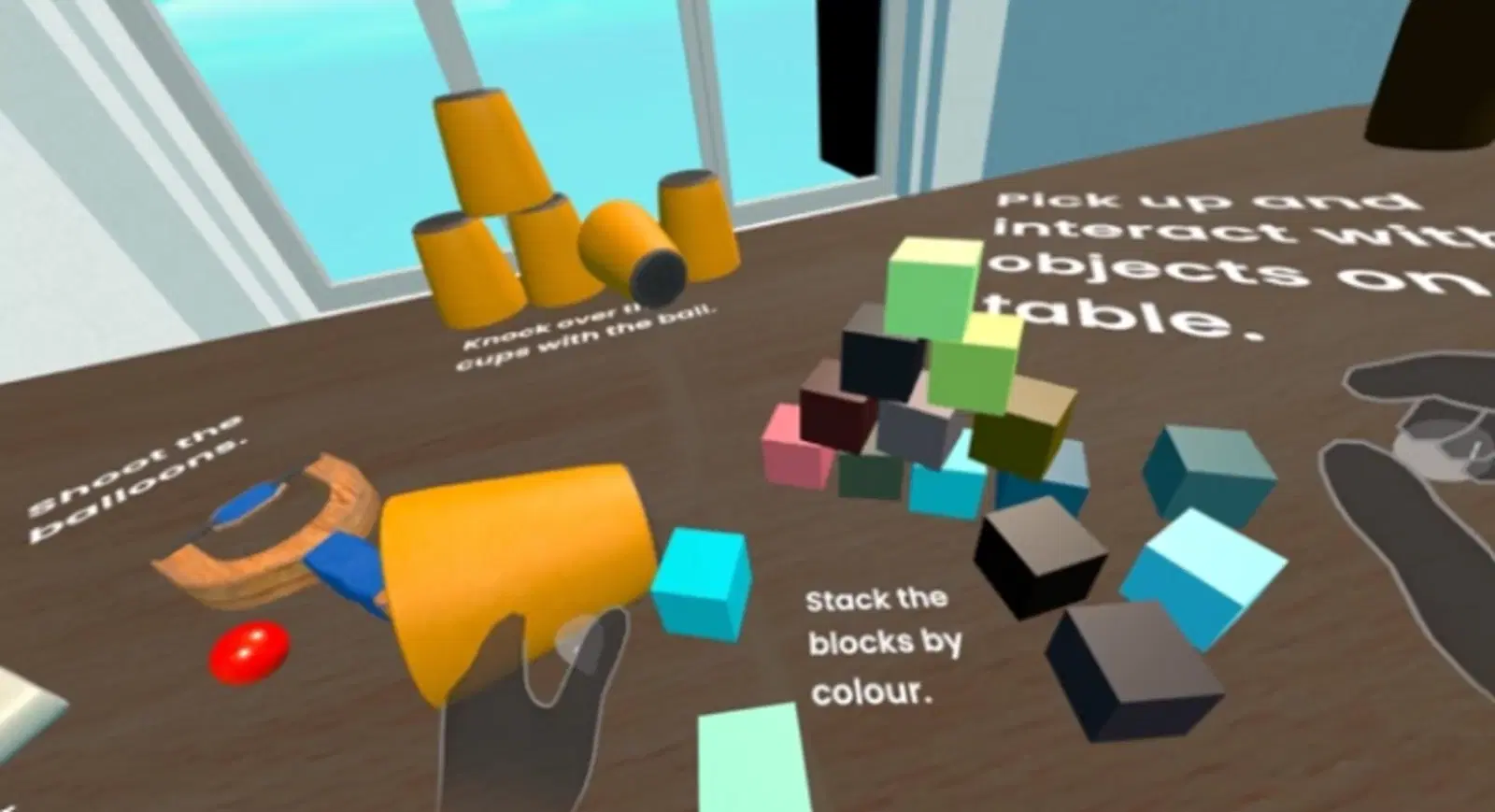
Interact: OBJECTS
A gentle, interactive virtual experience where patients can stack, move, and explore familiar objects in a calming environment designed to support light movement, cognitive engagement and emotional well-being.
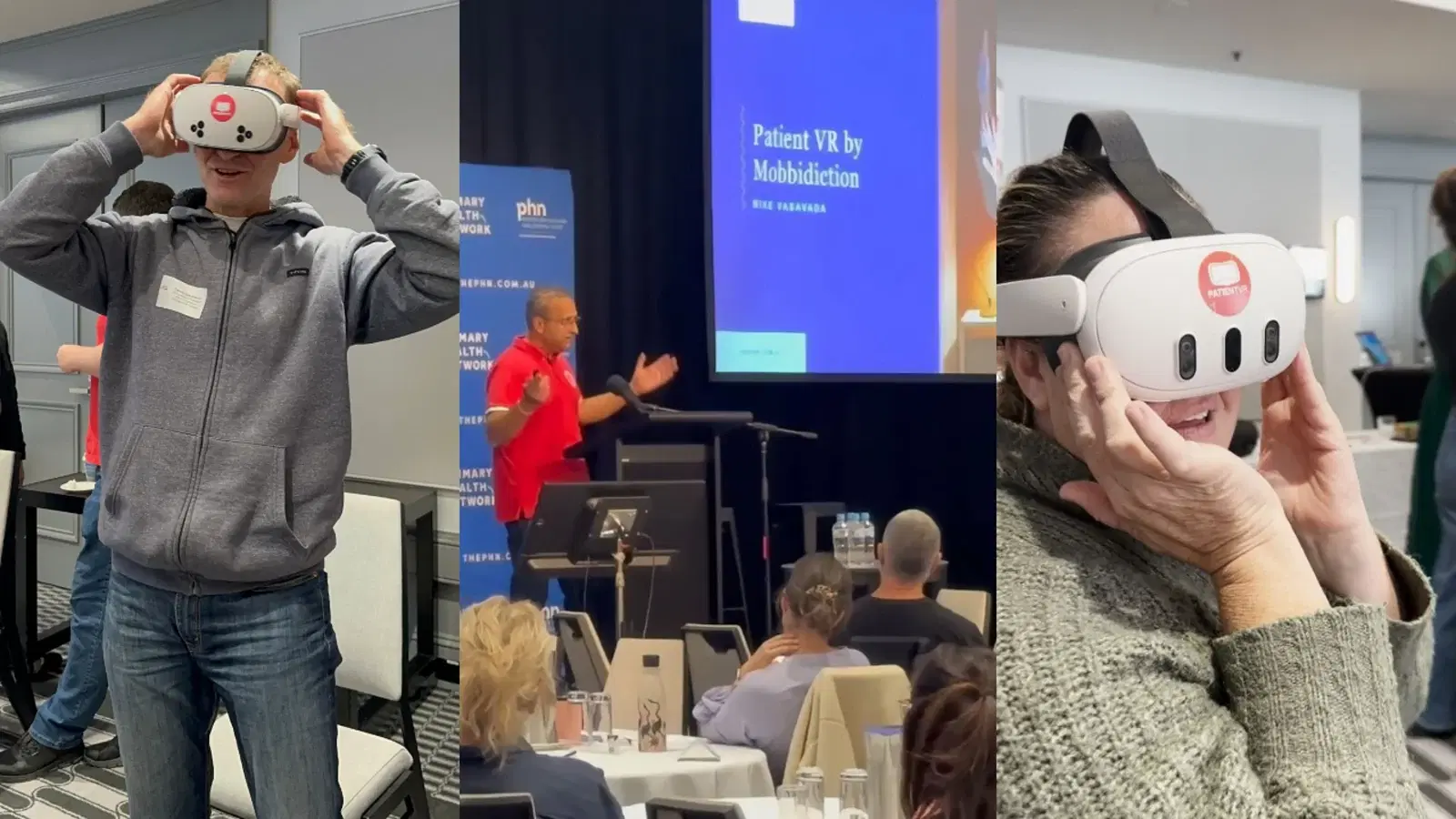
PHN’s Palliative and End-of-Life Care Symposium – Central Coast 2026
PHN’s Palliative and End-of-Life Care Symposium – Central Coast 2026 is a leading healthcare event focused on advancing palliative care in Australia through innovation, collaboration, and patient-centred approaches.