

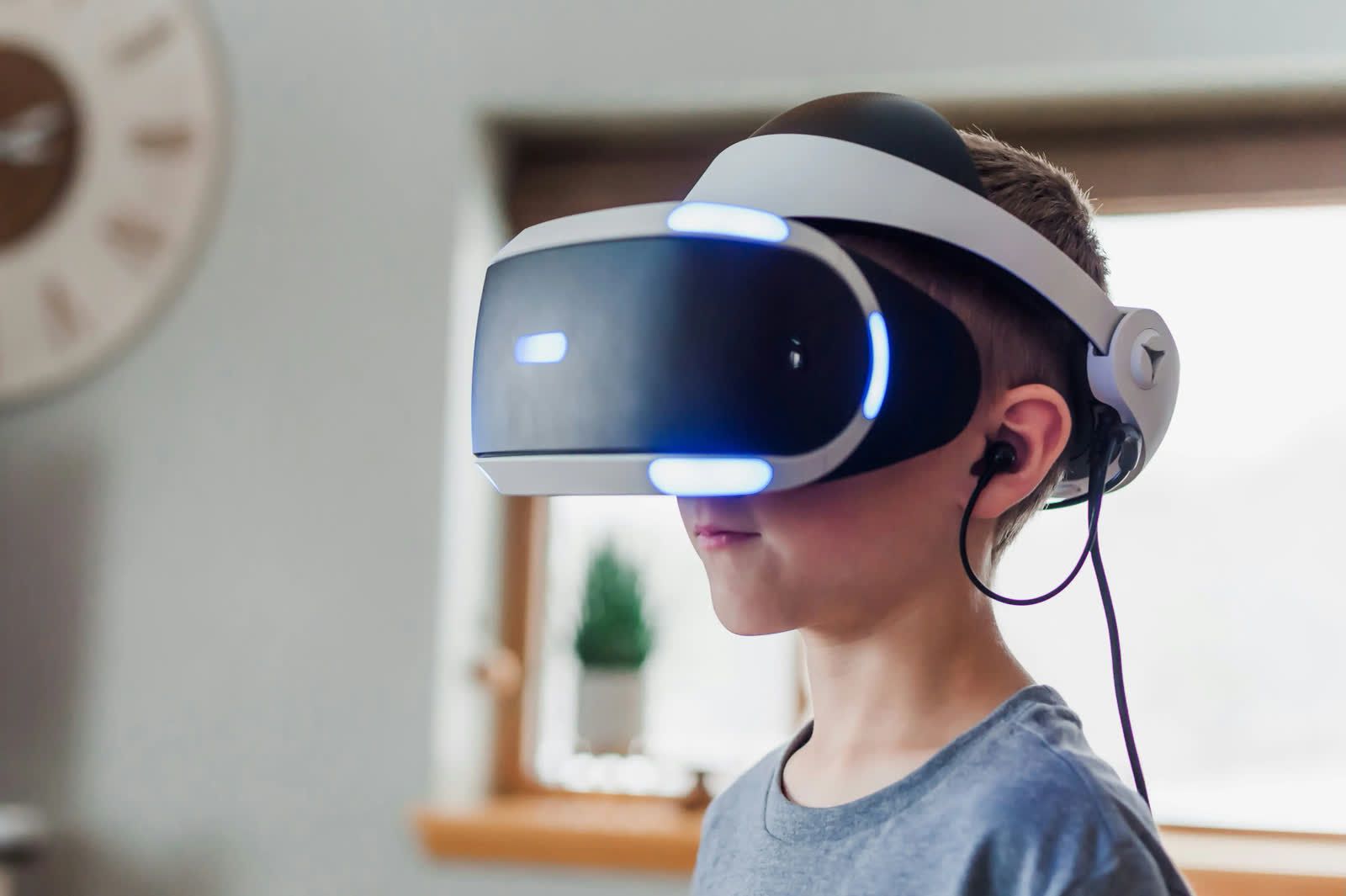
The Future of Virtual Reality in Patient Care
Virtual reality (VR) is rapidly reshaping patient care by delivering immersive, non-invasive experiences that support comfort, wellbeing, and better clinical outcomes. What began as a tool for entertainment and gaming is now emerging as a practical solution in hospitals, clinics, aged care facilities, and community health settings across Australia.
As healthcare systems continue to seek safer, more patient-centred approaches, virtual reality in patient care is becoming a powerful complement to traditional treatment methods.
Why Virtual Reality Is Gaining Momentum in Healthcare
The future of VR in patient care is being shaped by several important factors:
- A growing focus on non-pharmacological pain and anxiety management
- Rising demand for patient-centred, experience-driven care
- Advances in affordable, lightweight VR headsets
- Stronger clinical evidence supporting immersive distraction therapy
- Workforce pressures that call for solutions improving patient comfort without increasing staff workload
VR addresses these needs by creating immersive environments that help patients feel calmer, more engaged, and less focused on discomfort.
How VR Will Shape the Next Generation of Patient Care
Pain and Anxiety Management Without Medication
One of the most promising uses of VR is reducing pain and anxiety. Immersive experiences help redirect attention away from distress, lowering perceived pain and stress during procedures, recovery, and hospital stays.
In the future, VR is expected to become a standard option for:
- Procedural pain distraction
- Reducing pre-treatment anxiety
- Supporting post-operative recovery
- Chronic pain management programs
Improving the Patient Experience in Clinical Settings
Patient experience is becoming a core healthcare metric. VR gives patients a temporary escape from clinical environments, replacing fear and boredom with calming or engaging experiences.
Hospitals and care facilities are increasingly using VR to:
- Reduce waiting room stress
- Improve patient satisfaction scores
- Support calmer treatment environments
- Enhance overall wellbeing during care
Expansion Across Paediatrics, Aged Care, and Palliative Care
The future of VR in patient care extends well beyond acute treatment. In paediatric care, VR helps children cope with fear and unfamiliar medical procedures. In aged care, it can support emotional wellbeing, reminiscence, and gentle cognitive engagement. In palliative care, VR offers moments of comfort, relaxation, and meaningful distraction.
These applications are expected to grow as content becomes more tailored to specific patient groups.
The Role of XR and Immersive Technology
As technology evolves, VR will increasingly work alongside extended reality (XR) tools such as augmented reality (AR) and mixed reality (MR). Together, these technologies will support:
- More personalised patient experiences
- Adaptive environments based on patient needs
- Data-driven insights into patient engagement
- Integration with digital health platforms
This shift positions immersive technology as a long-term part of modern healthcare delivery, not a passing trend.
Challenges and Considerations for the Future
While the future of VR in patient care is promising, successful adoption depends on:
- Clinical appropriateness and patient suitability
- Ease of use for healthcare staff
- Hygiene, safety, and infection control
- Content quality and patient comfort
- Integration into existing care workflows
Solutions that prioritise simplicity, safety, and evidence-based outcomes are most likely to succeed long term.
Virtual Reality as a Standard Part of Patient Care
Looking ahead, VR is expected to move from an innovative add-on to a standard supportive care tool. As awareness grows and implementation becomes easier, more healthcare providers will adopt VR to enhance comfort, reduce reliance on medication, and improve patient experiences.
For Australian healthcare providers, VR represents an opportunity to deliver more compassionate, modern, and patient-focused care without adding unnecessary complexity.
Frequently Asked Questions
What is the future of virtual reality in patient care?
The future of virtual reality in patient care involves using immersive experiences to reduce pain, anxiety, and stress while improving comfort, engagement, and overall wellbeing without relying solely on medication.
How will VR be used in hospitals in the future?
Hospitals are expected to use VR for procedural distraction, anxiety reduction, recovery support, waiting room comfort, paediatric care, aged care, and palliative care as part of standard supportive treatment.
Can virtual reality reduce the need for medication?
VR can help reduce perceived pain and anxiety by distracting the brain, which may lower the need for pain or anxiety medication in certain non-invasive care scenarios.
Is virtual reality safe for patients?
When properly managed, VR is safe for most patients. Future VR solutions focus on clinical suitability, short session durations, hygiene protocols, and ease of use in healthcare environments.
Will VR become standard in healthcare?
As evidence grows and technology becomes more accessible, VR is expected to become a standard non-pharmacological support tool in patient-centred healthcare settings.
The Future Is Patient-Centred and Immersive
The future of virtual reality in patient care is centred on empathy, engagement, and wellbeing. By combining immersive technology with thoughtful clinical application, VR has the potential to transform how patients experience healthcare, making care calmer, more human, and more effective.
As healthcare continues to evolve, virtual reality will play an increasingly important role in supporting patients at every stage of their care journey.
More reading
 uncategorized
PatientVR PRO Uses Meta for Work Managed Devices
Virtual Reality (VR) is rapidly moving beyond entertainment and gaming into meaningful healthcare applications, supporting patient wellbeing, relaxation, pain management, rehabilitation, and improved care experiences.
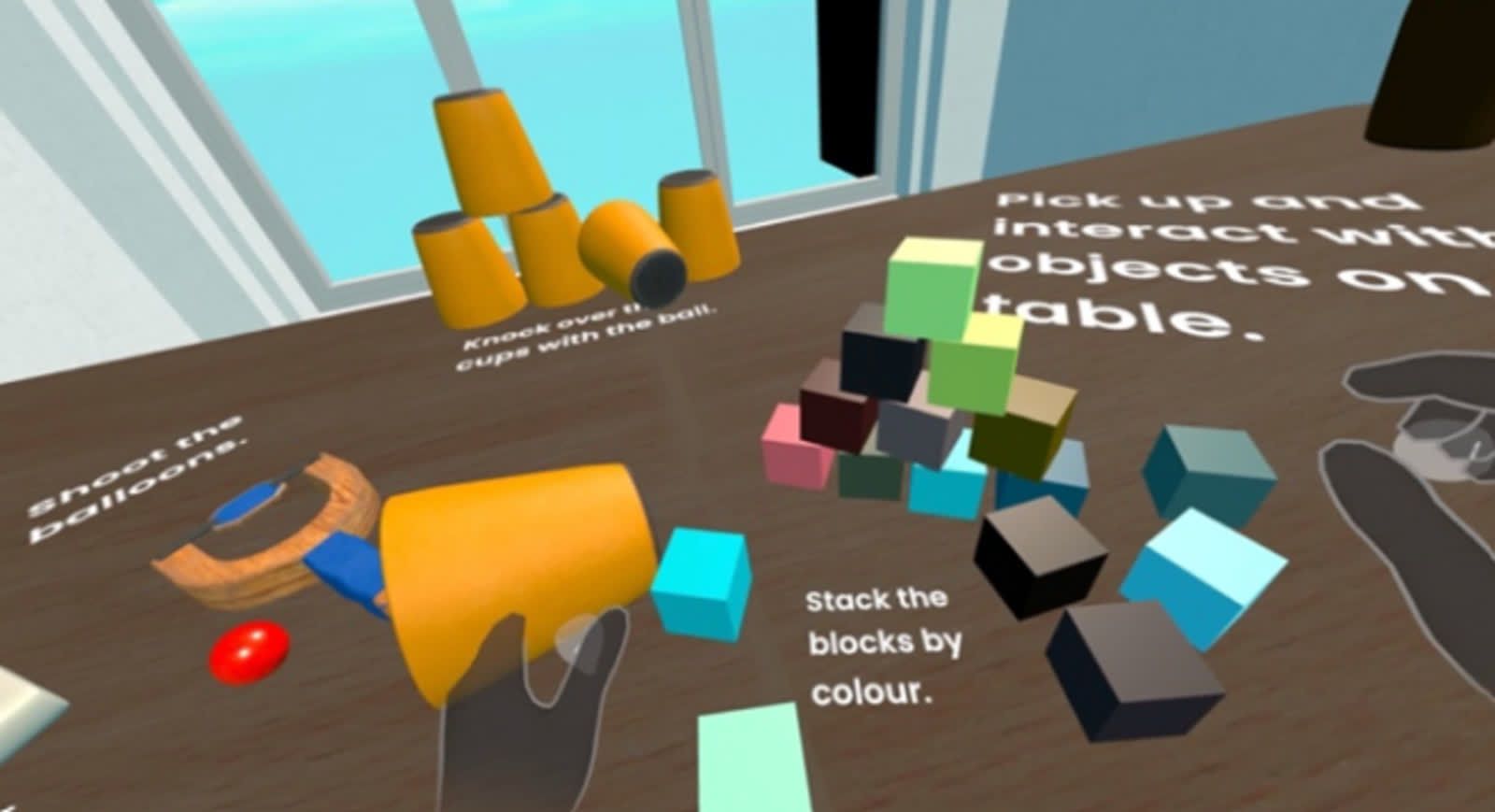
Interact: OBJECTS
A gentle, interactive virtual experience where patients can stack, move, and explore familiar objects in a calming environment designed to support light movement, cognitive engagement and emotional well-being.
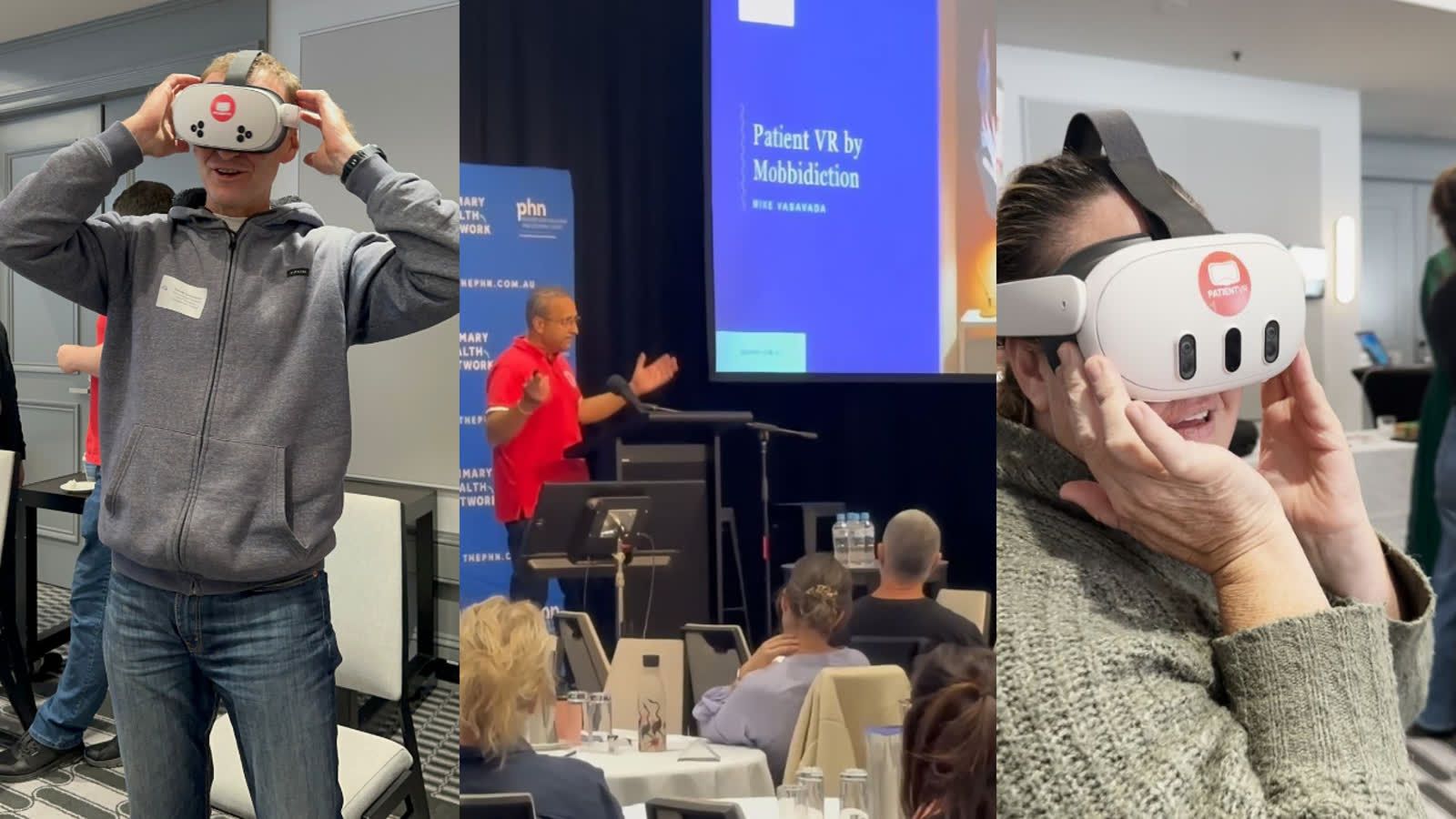
PHN’s Palliative and End-of-Life Care Symposium – Central Coast 2026
PHN’s Palliative and End-of-Life Care Symposium – Central Coast 2026 is a leading healthcare event focused on advancing palliative care in Australia through innovation, collaboration, and patient-centred approaches.