Clinical research architecture

Clinical research framework.

Evidence-based virtual reality applications in healthcare settings — a standardised view of how PatientVR is deployed, documented, and scaled across hospital networks.

Executive summary· IRB / HREC standardised

Building a rigorous evidence base for therapeutic VR

PatientVR is dedicated to advancing the integration of virtual reality within clinical environments to measurably improve patient outcomes, reduce procedural anxiety, and refine multi-modal pain-management protocols. Standardised documentation is critical for multi-centre replication, institutional approval, and clinical scaling.

Current verified pilot deployments

  • Nepean Hospital palliative care
  • NSW State Hub Grant (VapingVR)
  • Logan Hospital palliative care
  • Starlight Express Rooms & HoVR ED
  • Privacy-first sessions
  • IRB / HREC-ready templates
  • Wipeable clinical kits
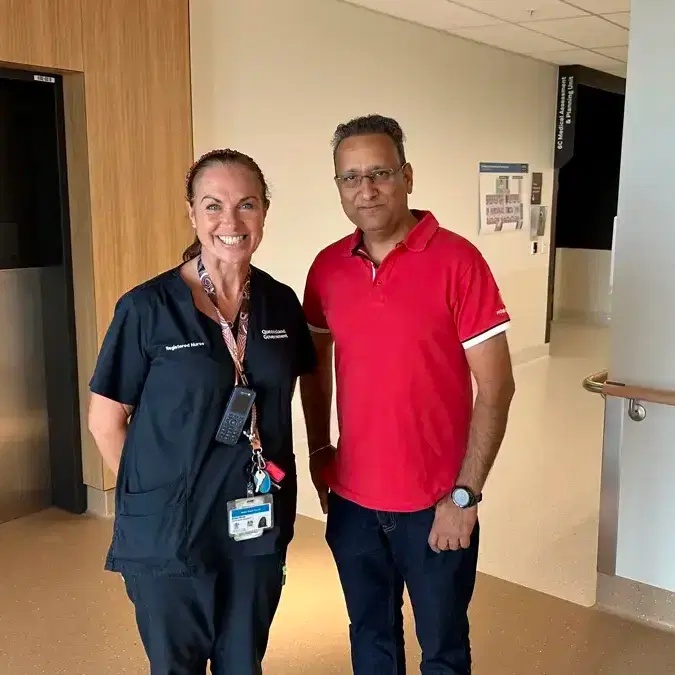
PatientVR team member and clinician reviewing a clinical deployment

Multi-centre research registry

5 active framework deployments

Non-pharmacological distraction and health-literacy cohorts.
About the framework

Consistency, safety, and measurable outcomes

As virtual reality transitions from clinical novelty to standard hospital care, the PatientVR research architecture provides wards, ethics committees, and medical investigators with verifiable benchmarks for efficacy, patient tolerance, and sanitisation consistency.

HoVR ED trial

Non-pharmacological pain management

Reducing reliance on opioids and sedatives during acute wound dressing, burns treatment, and chronic procedural distress.

Documented in the HoVR ED trial

Rapid calming

Anxiety reduction

Immersive therapeutic sensory distraction applied prior to high-acuity interventions, cannulation, and perioperative transitions.

Logan observational study

Health literacy

Patient education

Enhancing health literacy and physiological comprehension through interactive 3D anatomical visualisation and respiratory simulations.

NSW VapingVR youth project

Quality of life

Quality of life

Restorative environments delivering profound escapism for long-term isolation, oncology wards, and palliative suites.

Nepean palliative trial

Verified environments

Clinical implementation across acuity levels

In-situ photogrammetry and trial setups

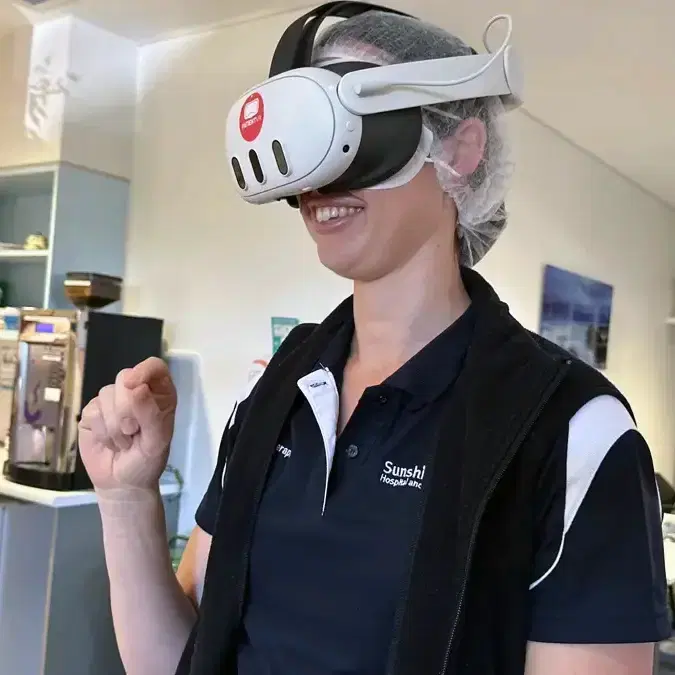
Clinician supporting a patient wearing a PatientVR headset

Acute ED distraction

Suturing & cannulation suite

Wipe-down Meta for Work kits deployed at the bedside.

Clinician with a patient using PatientVR in a hospital bed

Palliative care

Nepean & Logan Hospitals

Restorative immersion for anxiety management and wellbeing.

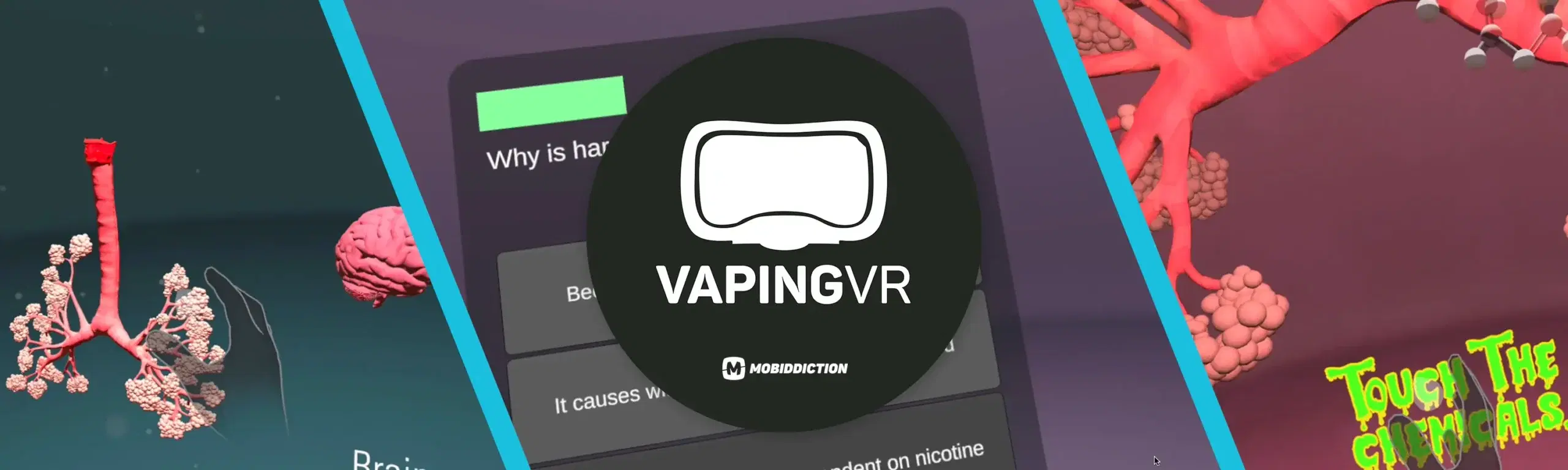
VapingVR educational experience

Health literacy & youth

3D lung anatomy & VapingVR

NSW grant-funded respiratory education for youth clinics.

Submission template

Clinical research framework template

To maintain multi-site comparability, new hospital use cases adhere to this 9-step schema. Request the full study schema below to receive ethics-committee-ready protocol packs.

Request PDF schema
  1. 01

    Program title

    Name of the proposed clinical study, ward initiative, or clinical audit program.

    e.g. “HoVR-ED: Acute Procedural Pain Reduction”

  2. 02

    Healthcare setting & location

    Hospital or specialised clinic, targeted ward or department, city, and local health district.

    e.g. “Logan Hospital, Palliative Care, Metro South”

  3. 03

    Clinical application / purpose

    Primary therapeutic intent: acute pain distraction, physio reconditioning, or anxiety mitigation.

    e.g. “Distraction during minor trauma wound closure”

  4. 04

    Target patient population

    Cohort demographics, medical conditions, inclusion and exclusion criteria, and baseline cognitive status.

    e.g. “Patients aged 14–65 presenting with lacerations”

  5. 05

    Technology / VR solution

    Hardware profile (Meta for Work enterprise), clinical wipeable facepads, and certified therapeutic modules.

    e.g. “PatientVR clinical kit + biocidal sterilisation”

  6. 06

    Key professionals

    Clinical champion roles involved: NUM, physiotherapist, nurse specialist, or principal investigator.

    e.g. “Clinical Nurse Consultant & ED Staff Specialist”

  7. 07

    Implementation timeline

    Start date through completion, ethics window, active bedside phase, and audit restore checkpoints.

    e.g. “Ethics approval → 120-day bedside phase”

  8. 08

    Outcomes / results

    Quantitative endpoints (VAS pain scores, PRN sedative usage) and qualitative clinician surveys.

    e.g. “VAS reductions, PRN analgesic reduction logs”

  9. 09

    Clinical significance

    Systemic impact on departmental workflow, bed dwell time, nurse workload, and care quality.

    e.g. “Shorter procedure turnaround, fewer sedations”

Invitation

Propose a new clinical use case

We actively invite healthcare partners, university hospitals, and frontline clinician-investigators to contribute to the growing clinical VR body of evidence.

  • Standardised research protocols

    Access turnkey IRB/HREC templates, ethics guidelines, and pre-validated digital consent modules.

  • Clinical hardware consultation

    Turnkey Meta for Work configuration with enterprise mobile device management and medical sanitisation protocols.

  • Global registry publication

    Contribute your ward outcomes to the PatientVR use-case registry and peer-reviewed symposium proceedings.

Direct research inquiries

Use the protocol request form

Clinical response within one business day

Protocol request

Request a study schema

Tell the Clinical Research team about your ward or proposed pilot. We respond within one business day with protocol templates and next steps.