

Recommended VR headsets for Patients
RECOMMENDED VR HEADSET FOR PATIENTS AND GEAR FOR “PATIENT VR” USE
We’re often asked which headset is best for patients using our VR platform. Below is our current recommendation, along with the essential accessories we suggest. Please do your own research as well, and treat this as a helpful guide rather than formal purchasing advice.
Last updated: March 2024
Headset and related gear:
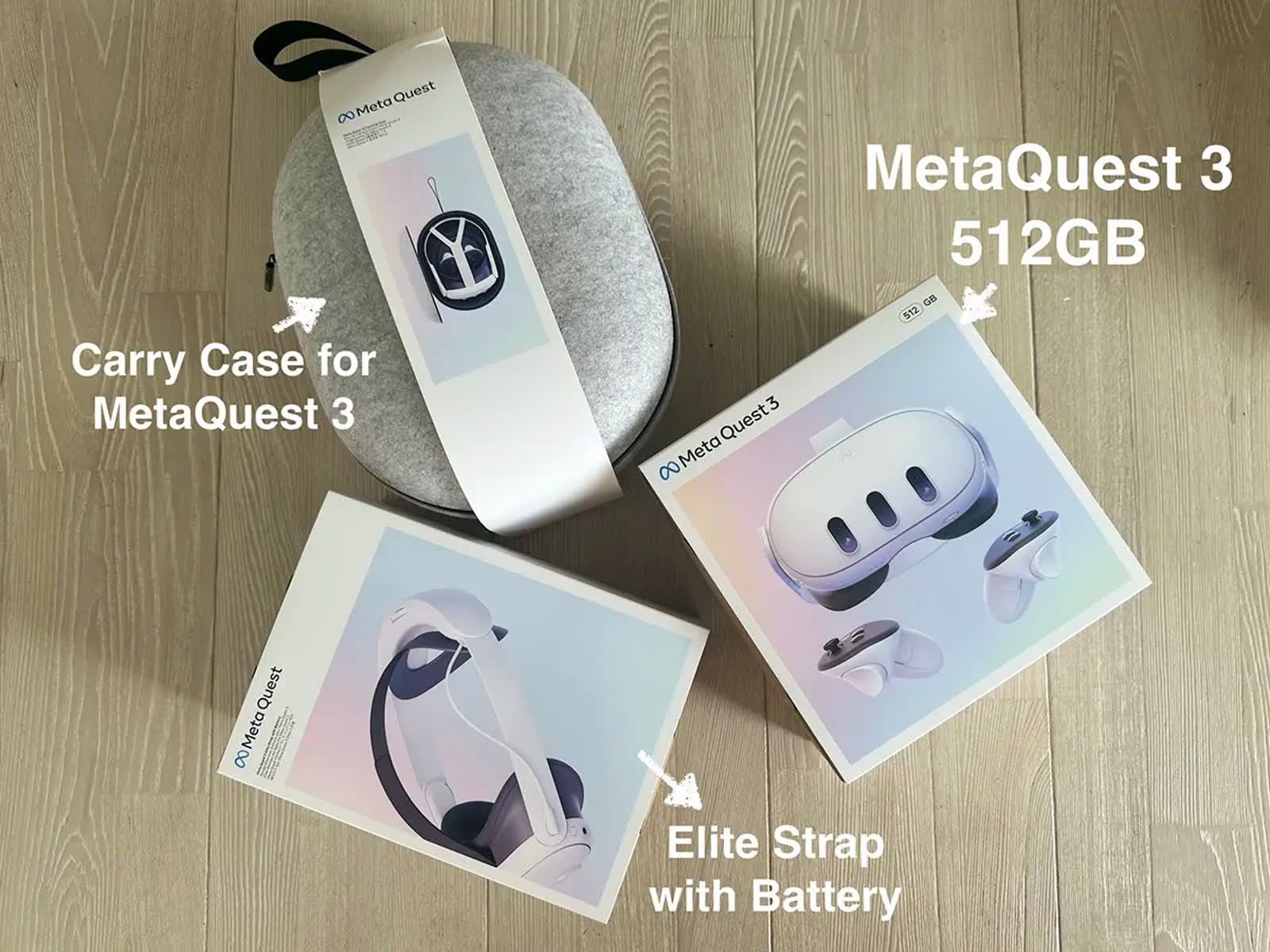
We recommend the Meta Quest 3 with 512GB .
Why?
The Meta Quest 3 is Meta’s latest VR headset, and it offers several meaningful improvements over its predecessor, the Meta Quest 2. Our engineering team recommends the Meta Quest 3 for the following reasons:
It is lighter than the Meta Quest 2.
It delivers around 30% better overall visual quality than the Meta Quest 2.
We especially like the camera system , which improves safety.
It is smaller overall, and the Elite Strap includes a battery option.
The carry case is also lighter and more compact.
It switches to camera mode with automatic boundary detection , which is a valuable safety feature.
It is easy to clean and keep sanitised.
Does our Patient VR experience work on Meta Quest 2?
Yes, it does, but you may notice some lag or occasional issues. Our Patient Virtual Reality applications work on both Meta Quest 2 and Meta Quest 3. However, we no longer recommend or support the Meta Quest 2. Please upgrade to the Meta Quest 3 or a later device.
Here are all the links:
HARDWARE (CURRENT) – Updated May 2025 Meta Quest 3 or Meta Quest 3S, 512GB VR HEADSET Meta Quest Elite Strap with Battery STRAP Meta Quest 3 Carrying Case CARRY CASE
Here are some more technical differences:
Meta Quest 3: Display resolution (per eye): 2064 x 2208 | 1218 PPI | 25 PPD
Meta Quest 2: 1832 x 1920 | 773 PPI | 20 PPD
Meta Quest 3: Refresh rate: 90 Hz/120 Hz
Meta Quest 2: 72 Hz, 80 Hz, 90 Hz, 120 Hz
A few other features on the Meta Quest 3:
FOV (degrees): 90 horizontal and vertical
Optics: Fresnel lens, 3-position IAD adjust
Colour gamut: 100% of sRGB
Controller tracking: Hybrid tracking using computer vision and machine learning
Haptics: TruTouch variable haptics
Pass-through fidelity: Colour (4 MP, 18 PPD), whereas the Meta Quest 2 passthrough is greyscale
How do you keep the headsets sanitised?
We recommend regularly sanitising the headset with antibacterial wipes, as most standard antibacterial products are suitable for the plastic parts. Just make sure you do not use antibacterial products on the camera or lenses; for those areas, you will need a lens-safe cleaning spray.
We have also found a few helpful accessories, such as disposable VR face masks like this one , which comes in packs of 200. Please look for similar products that can support regular sanitisation.
Safety is the first priority, so make sure nothing is close to the patient while they are in VR mode and using the headset. One of the advantages of headsets like the Meta Quest 3 is that you can define the boundaries within which VR will operate. If movement is detected beyond this virtual zone, the headset switches to camera mode so the patient can see their surroundings through the headset cameras. We particularly value this safety feature, because virtual reality can be highly immersive.
Prices are as listed on Amazon AU. We recommend doing your own research to check the latest products and pricing, as these can change from time to time. This information is provided as a guide only.
Need more info?
If you need help or more information about our Patient Virtual Reality program, please get in touch here .
More reading
 uncategorized
PatientVR PRO Uses Meta for Work Managed Devices
Virtual Reality (VR) is rapidly moving beyond entertainment and gaming into meaningful healthcare applications, supporting patient wellbeing, relaxation, pain management, rehabilitation, and improved care experiences.
Interact: OBJECTS
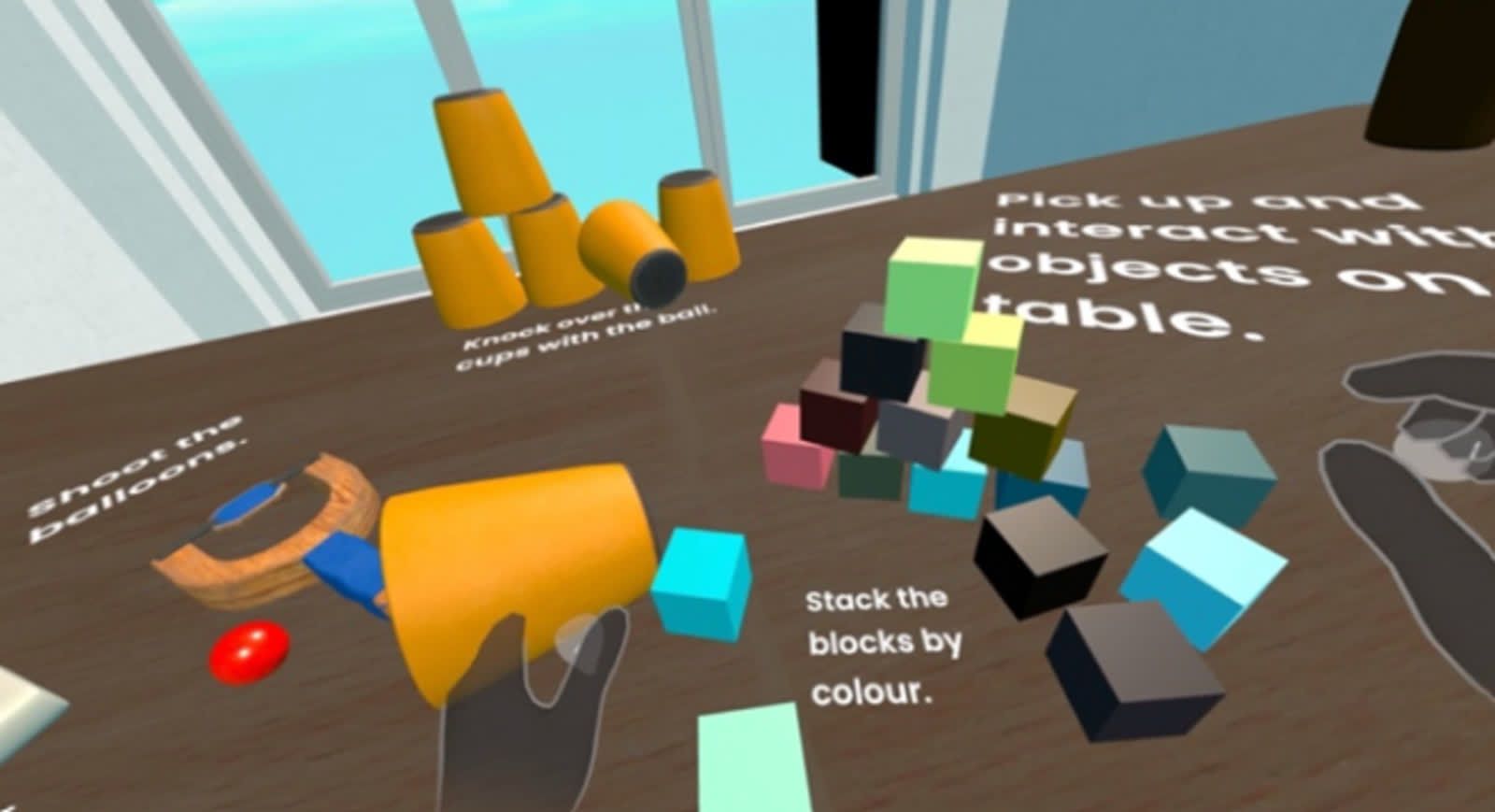
A gentle, interactive virtual experience where patients can stack, move, and explore familiar objects in a calming environment designed to support light movement, cognitive engagement and emotional well-being.
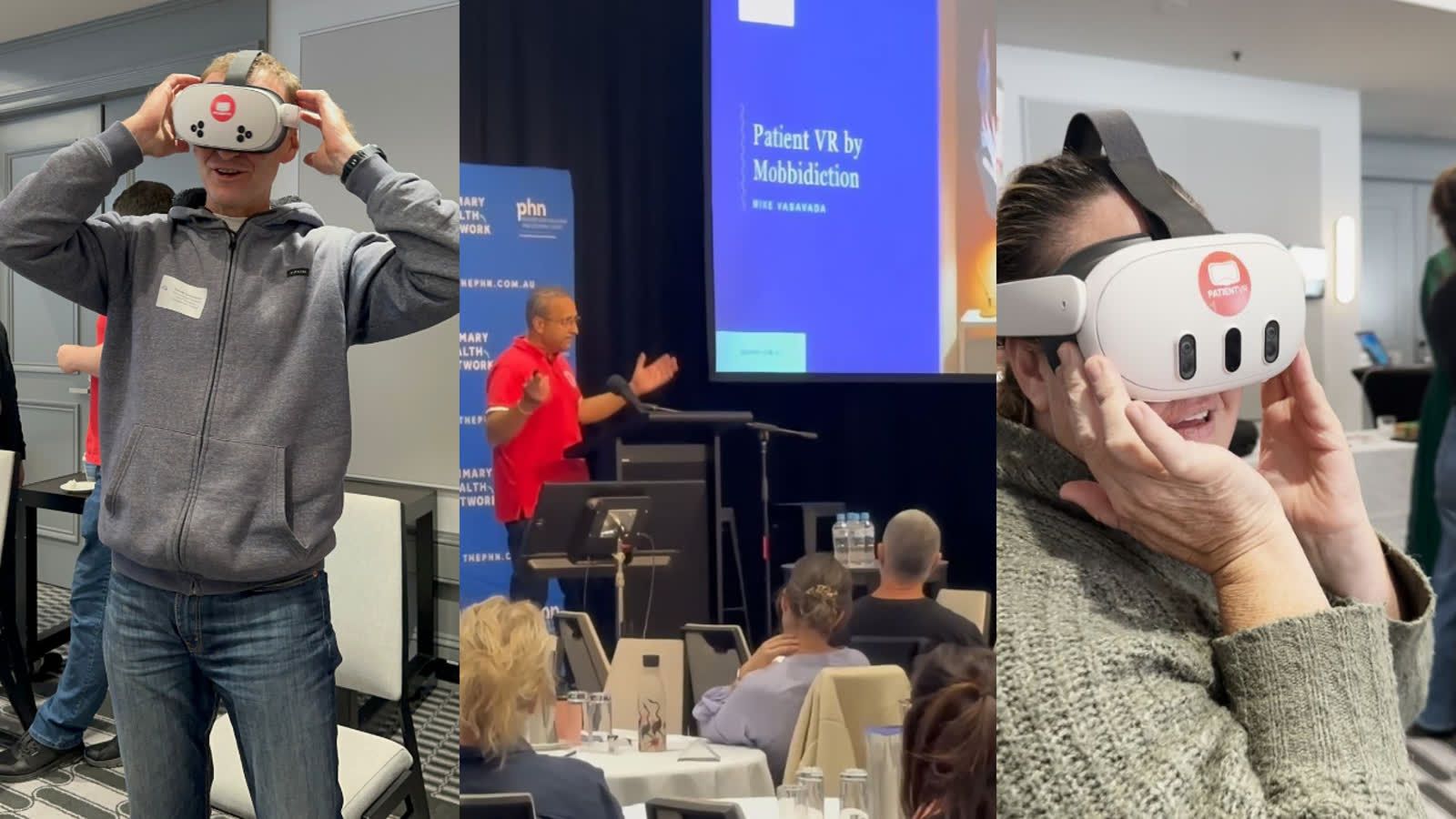
PHN’s Palliative and End-of-Life Care Symposium – Central Coast 2026
PHN’s Palliative and End-of-Life Care Symposium – Central Coast 2026 is a leading healthcare event focused on advancing palliative care in Australia through innovation, collaboration, and patient-centred approaches.