

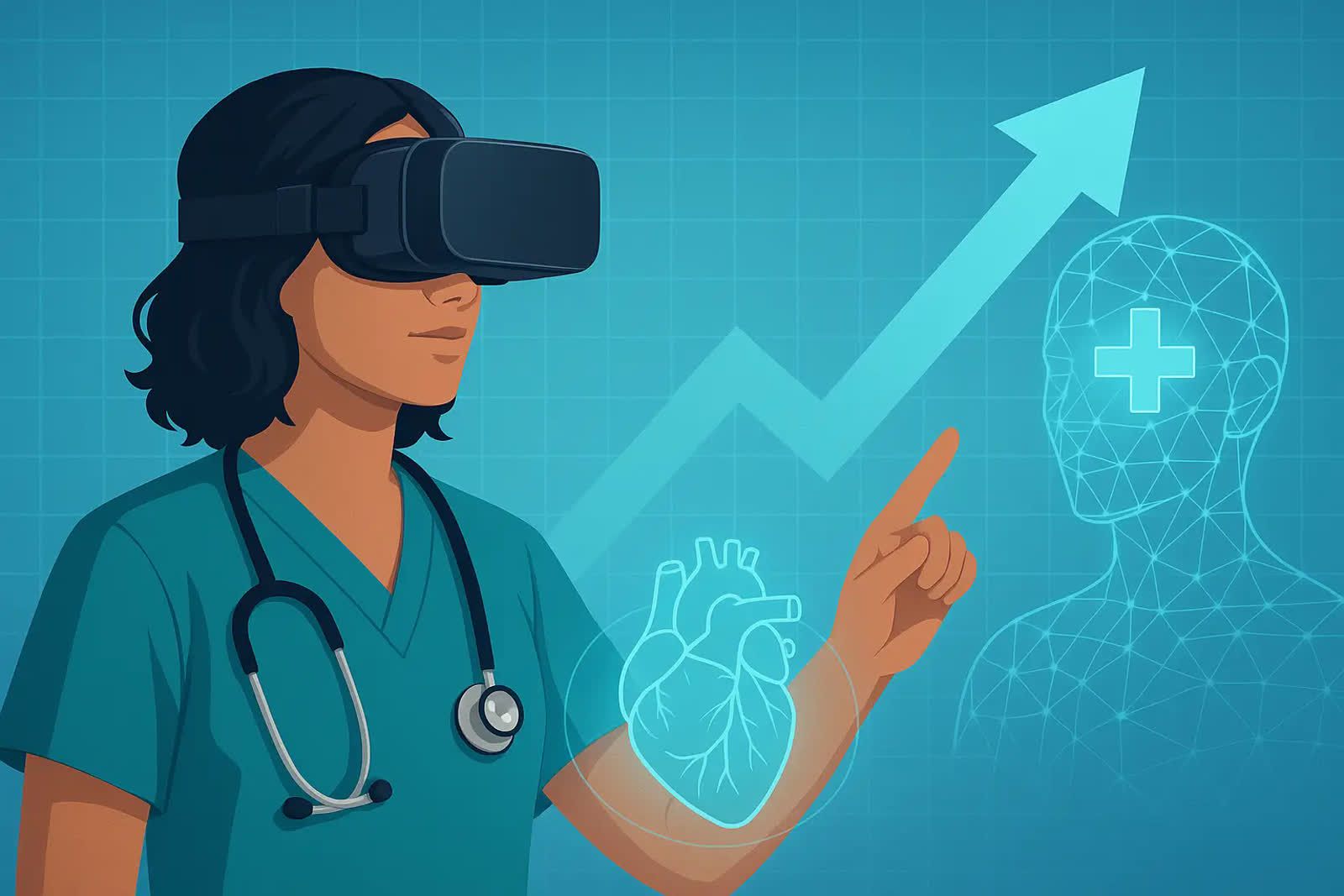
Growth of VR in Healthcare: How Virtual Reality is Transforming Medicine
Virtual reality isn’t just for gamers anymore — it’s becoming a practical tool in hospitals, clinics, and medical schools. The use of VR in healthcare is growing quickly, and it’s already making a difference for both doctors and patients. From helping medical students practice surgery to easing patient anxiety during treatment, virtual reality is proving to be far more than a cool gadget. It’s reshaping the way medicine is taught, delivered, and experienced.
The Growth of VR in Healthcare
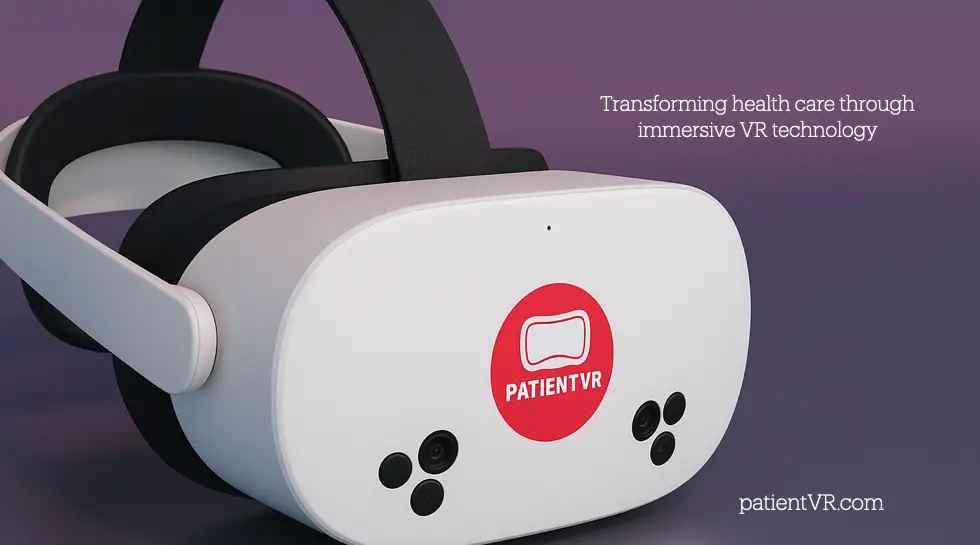
Over the past few years, the growth of VR in healthcare has accelerated. Headsets that once cost thousands are now more affordable and easier to use, making it simpler for hospitals, clinics, and schools to adopt the technology. And this isn’t just about having access to the latest tech — it’s about achieving real results. Doctors can train more effectively, patients often feel more at ease, and recovery can become faster and more engaging.
Where VR Is Being Used in Healthcare
Training Future Doctors
One of the most important uses of VR in healthcare is education. With VR in medical training, students can step into virtual operating rooms and practice procedures as though they were in a real clinical setting. This kind of virtual reality medical training gives future doctors hands-on experience without putting patients at risk, and it’s changing the way medical schools prepare the next generation of healthcare professionals.
Improving Patient Care
Another major shift is happening through virtual reality in patient care. Patients facing painful or stressful treatments can use VR headsets to immerse themselves in calming environments that help reduce discomfort and anxiety. Therapists also use VR to support people with PTSD, phobias, and anxiety by guiding them through controlled, therapeutic scenarios. Even something as simple as showing patients what to expect before surgery can help lower stress and improve confidence.
Helping with Recovery
VR is also making physical therapy and rehabilitation feel less repetitive and more motivating. Instead of doing the same exercises over and over, patients can use VR-based activities that encourage movement and track progress in real time. This makes rehab more engaging and can support faster recovery times.
The Benefits of VR in Healthcare
The benefits of VR in healthcare are clear for both patients and providers:
-
Doctors and students can practice in a safe, realistic environment.
-
Patients often feel calmer and experience less pain during treatment.
-
Rehabilitation becomes more engaging, which can support faster recovery.
-
Hospitals can reduce training and resource costs.
-
Care feels more personalized, effective, and patient-focused.

The Future of VR in Healthcare
Looking ahead, the future of VR in healthcare is full of exciting possibilities. We’re likely to see VR combined with AI to create personalized training programs, remote VR therapy for patients at home, and advanced surgery rehearsals based on 3D scans of real patients.
As the technology continues to improve, VR won’t feel like an “extra” anymore — it will simply become part of how healthcare works.
Why Is Virtual Reality a Good Technology to Use in Healthcare?
-
VR is immersive and can use 360º content to create an experience that feels close to real life.
-
VR can be designed to simulate realistic scenarios for training and treatment.
-
VR can be made safe and accessible with simple interaction design principles, such as controller-free experiences like the ones we create at PatientVR.
-
Modern headsets are far more capable than their predecessors, and setup and use are much less cumbersome than they used to be.
-
VR experiences can include boundary limits, usage time limits, and seated, standing, or lying-down options, with head-movement controls for people with mobility restrictions.
These are just a few of the additional advantages of using VR in healthcare. If you’d like to speak with our virtual reality team for a demo or learn more, please get in touch with us .
Closing the Gap Between Technology and Care
The growth of VR in healthcare shows how quickly technology can make a meaningful difference in people’s lives. Whether it’s through virtual reality medical training, VR in patient care, or therapy that makes recovery easier, the impact is already here. And as the future of VR in healthcare unfolds, we’ll continue to see new ways it can improve how care is delivered and experienced.
Frequently Asked Questions
How is VR used in healthcare today?
VR in healthcare is used for medical training, patient therapy, pain management, rehabilitation, and reducing anxiety during treatments.
What are the benefits of virtual reality in healthcare?
The benefits include safer medical training, improved patient comfort, faster recovery, cost savings for hospitals, and more personalized care.
How does virtual reality help in medical training?
Virtual reality in medical training allows students and doctors to practice surgeries and procedures in realistic simulations without risking harm to real patients.
Can VR improve patient recovery and rehabilitation?
Yes, VR makes physical therapy and rehabilitation more engaging through interactive exercises and gamified programs, which can support quicker recovery times.
What is the future of VR in healthcare?
The future of VR in healthcare may include AI-powered training, remote VR therapy, personalized treatment plans, and advanced surgery rehearsals using patient-specific 3D scans.
More reading
 uncategorized
PatientVR PRO Uses Meta for Work Managed Devices
Virtual Reality (VR) is rapidly moving beyond entertainment and gaming into meaningful healthcare applications, supporting patient wellbeing, relaxation, pain management, rehabilitation, and improved care experiences.
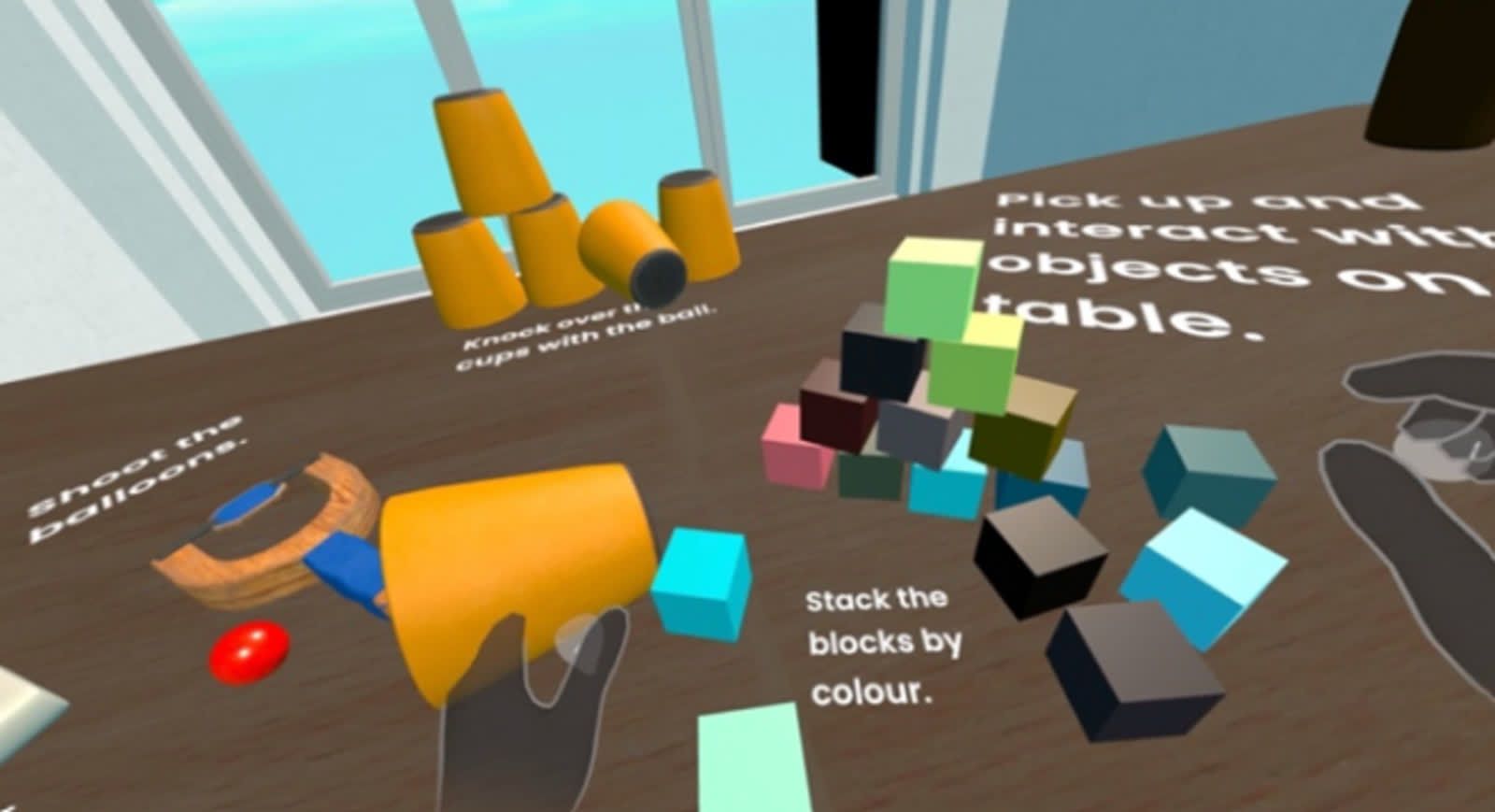
Interact: OBJECTS
A gentle, interactive virtual experience where patients can stack, move, and explore familiar objects in a calming environment designed to support light movement, cognitive engagement and emotional well-being.
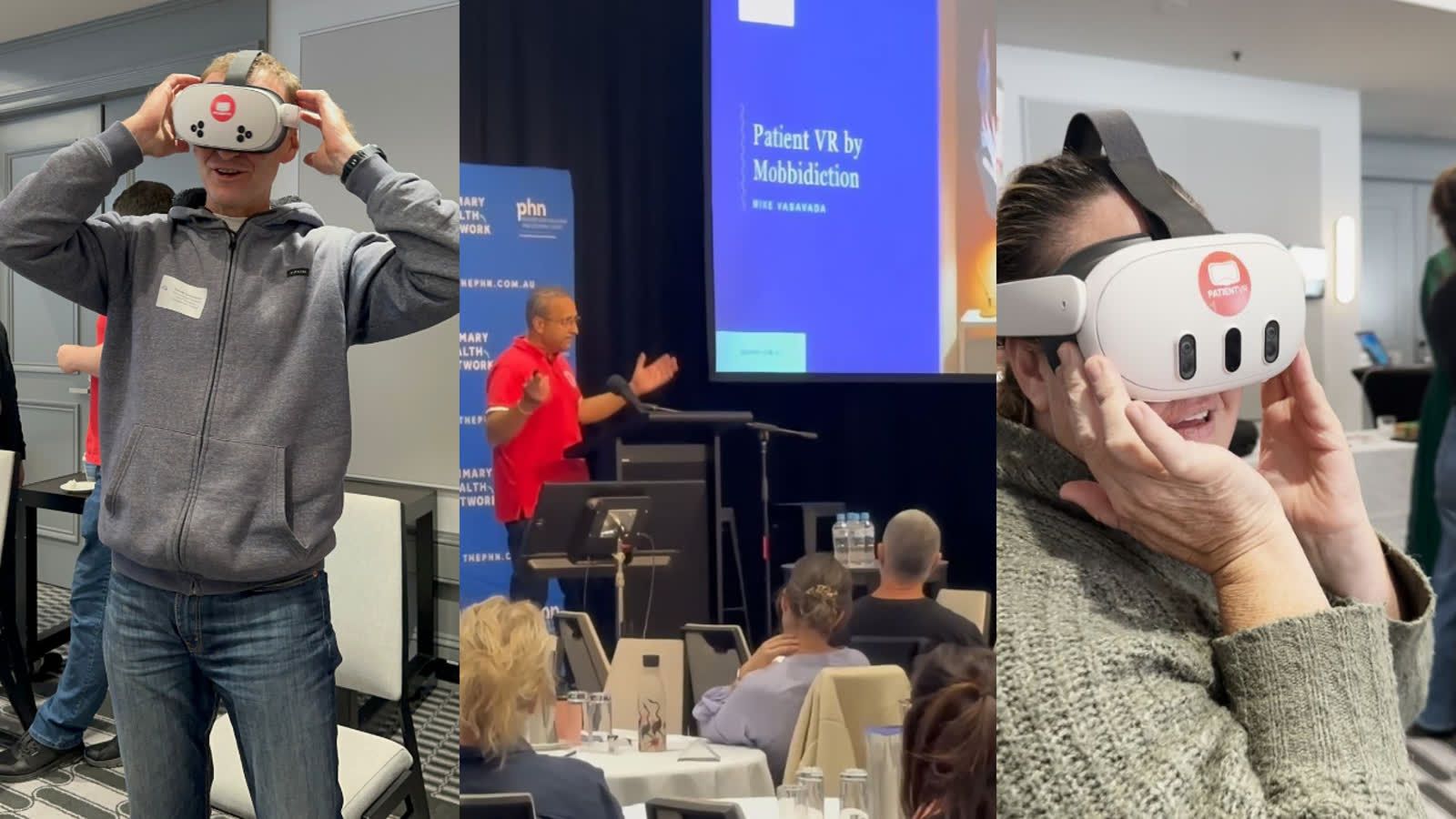
PHN’s Palliative and End-of-Life Care Symposium – Central Coast 2026
PHN’s Palliative and End-of-Life Care Symposium – Central Coast 2026 is a leading healthcare event focused on advancing palliative care in Australia through innovation, collaboration, and patient-centred approaches.